


Homeowner Insurance Bad Faith Attorney in California
You paid premiums for years. When damage happened, you filed a claim. If your insurer denied it, stalled it, or offered far less than your loss is worth — without a legitimate reason — California law gives you real recourse.
What Insurance Bad Faith Means Under California Law
Insurance companies are not free to handle claims however they choose. Under California law, every insurer owes its policyholders a duty of good faith and fair dealing. California Insurance Code Section 790.03 goes further, prohibiting specific conduct that constitutes bad faith, including:
- Unreasonably denying a claim without a valid basis
- Failing to acknowledge a claim or respond to communications within required timeframes
- Failing to conduct a thorough and objective investigation of the claim
- Misrepresenting the terms or coverage of the policy
- Offering a settlement that is substantially less than what a reasonable person would expect to recover
When an insurer engages in any of these practices, the policyholder has more than a contract dispute. They have a bad faith claim — one that can produce remedies well beyond the original policy amount.
This practice handles homeowner insurance bad faith only. We do not represent clients in commercial property or auto insurance disputes.
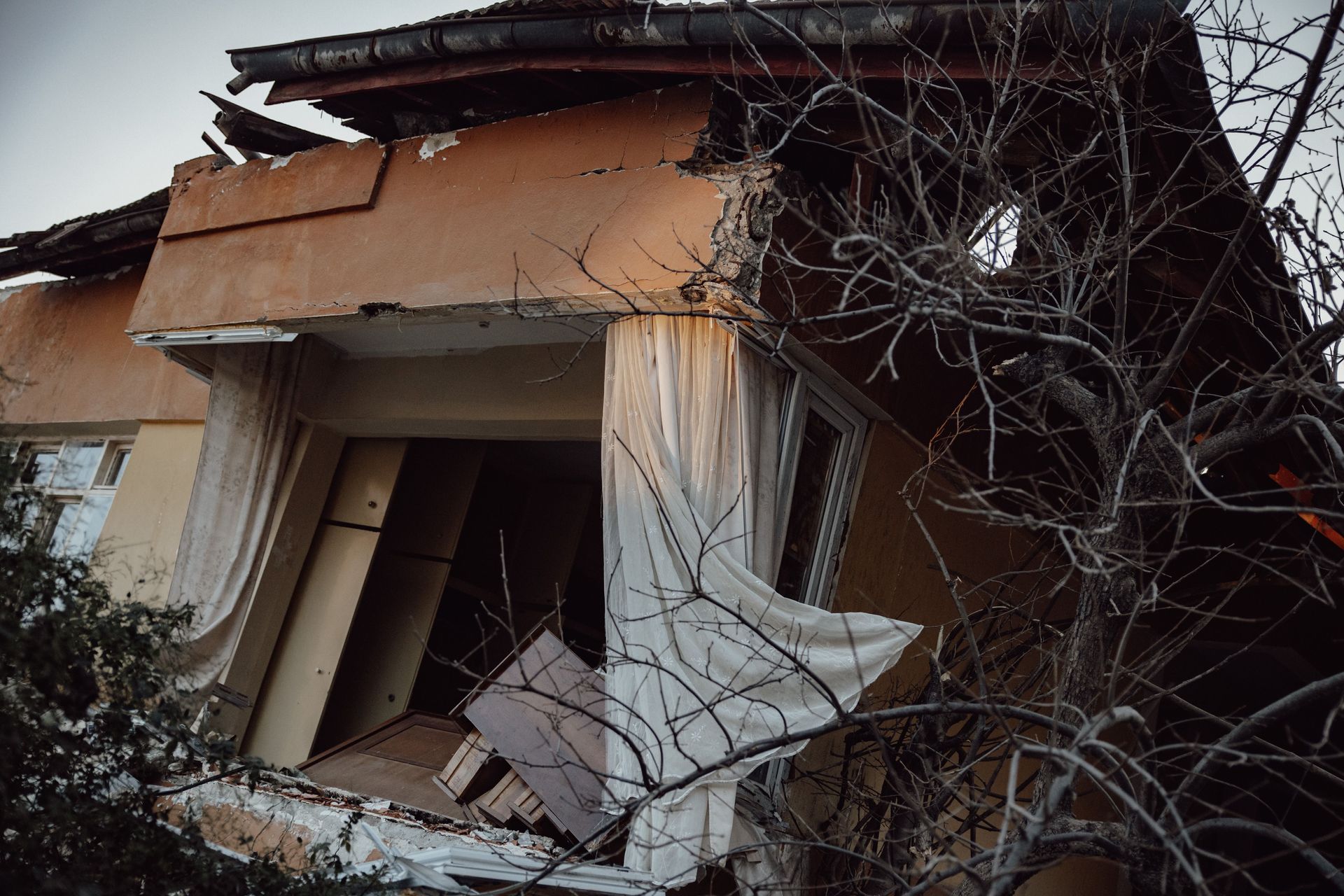
What You Can Recover in a Bad Faith Case
The damages available in a homeowner insurance bad faith case can exceed the value of the underlying claim significantly. Depending on the facts, recoverable damages may include:
- Policy benefits owed — the amount your insurer should have paid on the original claim
- Consequential damages — losses that resulted from the denial or delay, such as additional living expenses, temporary housing costs, or property deterioration that worsened because repairs were not funded promptly
- Emotional distress — the psychological impact of being denied coverage you paid for, particularly when the denial was accompanied by unreasonable conduct
- Attorney's fees — recoverable in bad faith cases under the standard established in Brandt v. Superior Court, which allows policyholders to recover fees when an insurer's bad faith forced them to hire an attorney to obtain benefits they were owed
- Punitive damages — available in cases where the insurer's conduct was especially egregious or oppressive, intended not to compensate but to penalize
In one homeowner insurance arbitration, we recovered a
$1,500,000 award for a policyholder whose insurer had failed to honor the terms of the policy. Every case turns on its own facts — but the gap between what insurers initially offer and what policyholders are actually owed can be significant.
A Denial Letter
Is the Beginning
Not the End
When a homeowner receives a denial, the natural reaction is to accept it as final. It isn't. A denial is a legal position the insurer has taken — one that can be challenged, negotiated, or litigated if it doesn't hold up.
The first thing to look at is the reason given for the denial. California law requires insurers to provide a written explanation that applies the specific policy language to the specific facts of the claim. A vague citation of an exclusion, a conclusion without supporting analysis, or a reason that contradicts the documentation you submitted is not a legally sufficient denial — it is the starting point for a dispute.
Coverage decisions are legal decisions. An insurer's interpretation of what your policy covers is not automatically correct. We review the policy, the denial, and the facts of the claim to assess whether the insurer's position is defensible — and what the right path forward looks like.
When Delay Is the Strategy
Not every bad faith case involves an outright denial. Some of the most damaging insurer conduct comes in the form of unreasonable delay — acknowledging the claim but failing to move it forward, requesting documentation repeatedly without advancing coverage decisions, or going silent for months while the policyholder waits.
California Insurance Code sets specific timelines that insurers are legally required to follow. They must acknowledge a claim within 15 days of receiving it. They must accept or deny a claim within 40 days of receiving proof of loss. They must pay accepted claims promptly. These are legal obligations — not service standards — and failing to meet them without a legitimate reason is itself a form of bad faith.
If your claim has been sitting for months without a clear decision or a meaningful response, that timeline is worth examining.
How Homeowner Bad Faith Cases Typically Proceed
Most homeowner insurance disputes move through several stages before reaching litigation. Understanding the process helps set realistic expectations.
Step 1:
Case Review and Policy Analysis
We review the policy, the claim, the denial or offer, and all communications with the insurer. The goal is to identify whether the insurer's conduct was legally defensible and what remedies are available.
Step 2:
Formal Demand
In many cases, a thorough written demand — backed by documentation and a clear legal analysis — is enough to move an insurer toward a fair resolution. Insurers respond differently when a policyholder has legal representation and a well-built claim.
Step 3:
Appraisal
When the dispute is over the value of a covered loss rather than whether coverage applies, most homeowner policies include an appraisal process. Each side presents a valuation through independent appraisers, and a neutral umpire resolves disagreements. We represent policyholders through this process.
Step 4:
Arbitration or Litigation
When earlier stages don't produce a fair result, we take the matter to arbitration or court. The $1,500,000 result referenced on this page came through arbitration — a process that can produce significant outcomes when the insurer's position doesn't hold up to formal scrutiny.
Homeowner Insurance Bad Faith Questions We Hear Most Often
What is insurance bad faith in California?
Insurance bad faith is conduct by an insurer that violates its legal duty of good faith and fair dealing. Under California law, that duty requires insurers to investigate claims thoroughly, communicate honestly, and pay valid claims fairly and promptly. When an insurer unreasonably denies, delays, or underpays a claim — or misrepresents what a policy covers — it may be acting in bad faith, and the policyholder may have legal remedies beyond the value of the original claim.
Can I sue my insurance company for denying my homeowner claim in California?
Yes, in many cases. If the denial was unreasonable, lacked a legitimate legal basis, or violated the specific conduct standards under California Insurance Code Section 790.03, you may have a bad faith claim in addition to a breach of contract claim. A case review is the right first step — not every denial is bad faith, but many that feel wrong turn out to be legally challengeable.
How long does an insurance company have to respond to a claim in California?
California Insurance Code requires insurers to acknowledge a claim within 15 days of receipt, and to accept or deny it within 40 days of receiving proof of loss. Accepted claims must be paid promptly. Missing these windows without a legitimate explanation is a recognized form of bad faith — not just poor service.
What damages are available in a California insurance bad faith case?
Recoverable damages can include the policy benefits originally owed, consequential damages caused by the denial or delay, emotional distress, attorney's fees under Brandt v. Superior Court, and punitive damages in cases involving particularly egregious insurer conduct. The total recovery in a bad faith case can significantly exceed the original claim value.
Do you handle bad faith cases involving auto insurance or commercial policies?
No. This practice focuses exclusively on homeowner insurance bad faith. If your dispute involves an auto insurer or a commercial property policy, we are not the right fit — but we are glad to point you in the right direction.

Let Us Look at the Denial Before You Accept It
A free case review costs nothing and tells you whether the insurer's position holds up. Our team takes your information, Gene reviews the details, and the firm follows up on the cases it can genuinely help with. If you have a claim worth pursuing, we handle it on contingency — no fee unless we recover.