Bay Area Insurance Bad Faith Attorney
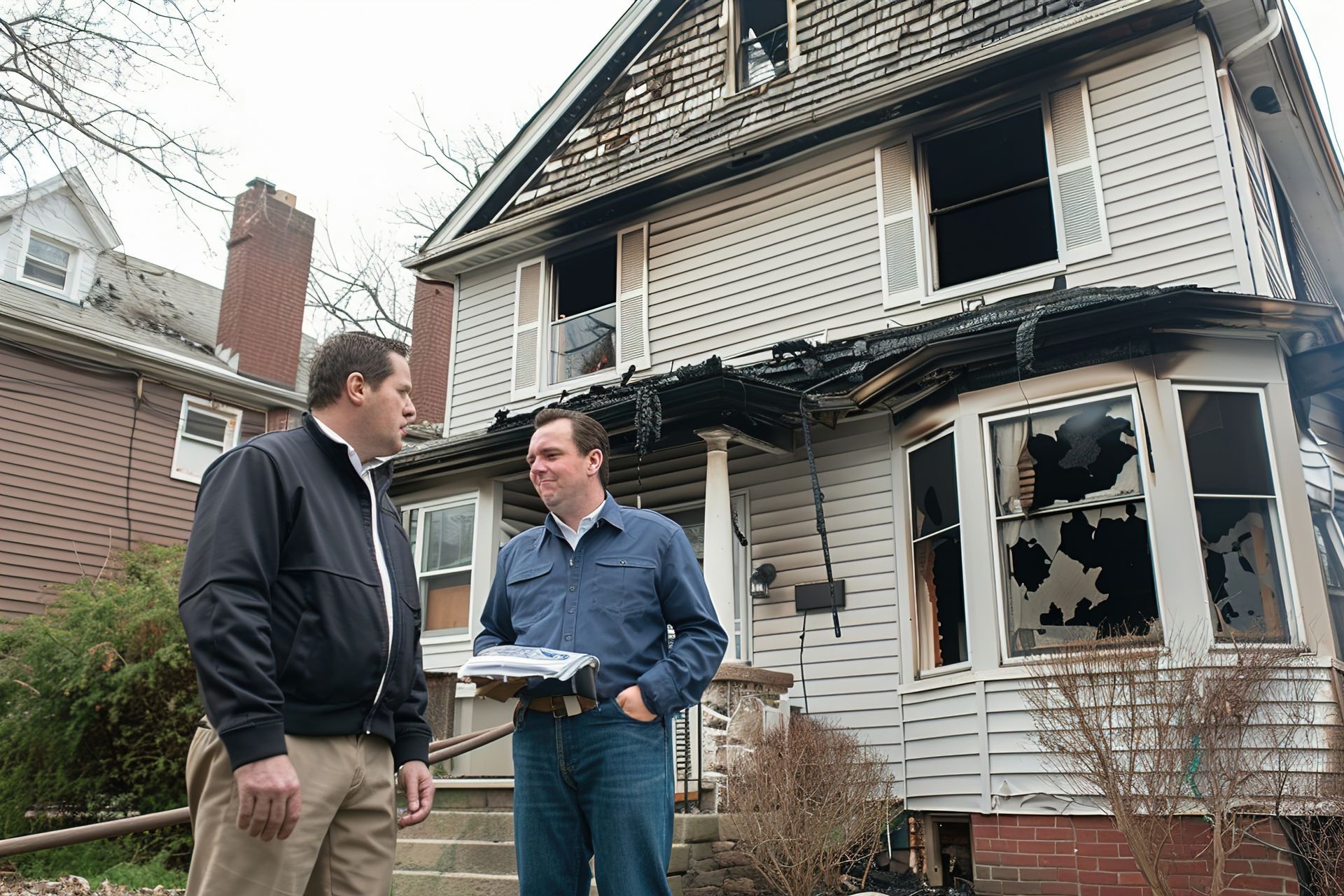
When a homeowners insurance company denies, delays, or underpays a valid claim, it’s more than frustrating—it may be illegal. We help policyholders throughout San Francisco and the greater Bay Area pursue the remedies available under California law when insurers fail to act in good faith.
Homeowners Insurance Disputes We Handle
When your homeowners insurance claim is denied, delayed, or underpaid, you deserve clear answers about your rights and options.
We represent homeowners throughout the San Francisco Bay Area in disputes with their insurance companies, focusing on two areas of law.
What We Handle for Injury Victims Across the Bay Area
Personal injury law covers a wide range of situations — vehicle crashes, falls, dog attacks, rideshare accidents, and more. What they share is this: someone else's negligence caused your injury, and you deserve to be made whole for what it cost you.
Insurance companies have a legal obligation to investigate and handle claims fairly. When an insurer unreasonably denies coverage, delays payment, or offers less than what may be owed under your policy, we help homeowners challenge those decisions and pursue available legal remedies.
Disagree with your insurance company's assessment of property damage? The insurance appraisal process may help resolve disputes over the amount of a covered loss without going to court. We represent homeowners through this process to help ensure their property damage is properly evaluated.
Legal Representation Focused on Homeowners
Our practice focuses on residential property insurance disputes, including denied, delayed, and underpaid homeowners insurance claims. We do not represent clients in commercial property or auto insurance bad faith matters.
If you're a homeowner in the San Francisco Bay Area facing an insurance claim dispute, our team can help you understand your options and determine the appropriate next steps.
Insurance Companies Have Legal Responsibilities, Not Just
Customer Service Standards
Under California law, every insurance company owes its policyholders a duty of good faith and fair dealing. That duty isn't a courtesy — it's a legal standard with teeth. When an insurer unreasonably denies a valid claim, delays a response without justification, or offers a settlement it knows is far below the actual loss, it may be acting in bad faith.
The remedies available in a bad faith case can go beyond what the policy itself covers. In addition to the underlying claim amount, a policyholder who proves bad faith may be entitled to consequential damages, emotional distress damages, and in cases of particularly egregious conduct, punitive damages.
California Insurance Code also sets specific timelines that insurers are required to follow — acknowledging claims, responding to communications, and making coverage decisions within defined windows. When those deadlines pass without meaningful action, the delay itself is worth examining.
Three Situations That Are Worth a Review
Not every difficult insurance experience rises to bad faith. But some patterns come up often enough that they're worth knowing.
Your Claim Was Denied Without a Clear Explanation
California Insurance Code requires insurers to provide written explanations for claim denials. A denial letter that is vague, circular, or cites a policy exclusion without explaining how it applies to your specific loss is not a final answer — it is a starting point for review. The absence of a clear reason is itself a signal.
The Settlement Offer Feels Far Below What You Actually Lost
Initial settlement offers on homeowner claims are typically designed to close the claim quickly, not to reflect the full scope of the loss. Before you accept, it is worth having someone review the offer against your policy, your documentation, and what the actual restoration or repair will cost. Accepting a settlement closes the door permanently.
Months Have Passed and Nothing Is Moving
California law puts defined response deadlines on insurers — they are required to acknowledge claims, communicate decisions, and move the process forward within specific timeframes. When a claim has been sitting without meaningful movement for months, that delay is not always an administrative backlog. It is sometimes a strategy. Either way, it is worth understanding whether the timeline you've experienced complies with what the law requires.
How These Cases Work — and What They Cost
Insurance litigation cases typically begin with a thorough review of the policy, the claim, the insurer's communications, and any denial or offer letters. From there, the path forward depends on what the review reveals — whether that means a formal demand, the appraisal process, litigation, or some combination.
We handle homeowner insurance cases on contingency. You pay nothing to get started and nothing during the case. Our fee comes from what we recover — and only if we recover. If we don't win, you owe us nothing.
A free case review is the right first step. We'll look at what happened, explain what the law says about it, and give you an honest assessment of whether you have a viable claim.
Insurance Bad Faith Questions We Hear Most Often
What is insurance bad faith in California?
Insurance bad faith refers to conduct by an insurance company that violates its legal duty of good faith and fair dealing toward its policyholders. Under California law, that duty requires insurers to handle claims promptly, investigate thoroughly, communicate honestly, and pay valid claims fairly. When an insurer unreasonably denies, delays, or underpays a claim, it may be acting in bad faith — and the policyholder may have legal remedies that go beyond the value of the original claim.
My homeowner claim was denied. What can I do?
Start by reviewing the denial letter carefully. California law requires insurers to provide a written explanation for any denial. If the explanation is vague, relies on a policy exclusion without applying it to your specific facts, or simply doesn't hold up to scrutiny, the denial may be challengeable. A case review is the fastest way to understand whether you have grounds to push back and what that process looks like.
How long does an insurance company have to respond to a claim in California?
California Insurance Code sets specific timelines. Insurers generally must acknowledge receipt of a claim within 15 days, accept or deny a claim within 40 days of receiving proof of loss, and pay accepted claims promptly. These are legal requirements, not guidelines. If your insurer has missed these windows without a legitimate explanation, that delay is worth examining.
What is an insurance appraisal and when does it apply?
Most homeowner insurance policies include an appraisal clause that provides a formal mechanism for resolving disputes over the value of a covered loss — separate from litigation. When you and your insurer agree that a loss is covered but disagree on how much it's worth, the appraisal process allows both sides to present their valuation through independent appraisers and a neutral umpire. We represent policyholders in that process.
Do you handle auto insurance or commercial insurance bad faith?
No. Our insurance litigation practice is focused on homeowner insurance claims. If your dispute involves an auto insurer or a commercial property policy, we are not the right fit — but we're happy to point you in the right direction.

Before You Accept Anything
Get a Second Opinion
A denial is not always final. An offer is not always fair. And a delay is not always unavoidable. If any of those situations describe where you are with your insurer, a case review costs you nothing and tells you whether you have more options than your insurance company has indicated.
Our team takes your information, Gene reviews the details, and the firm follows up on the cases it can help with. No fee, no obligation.