


Quick Summary:
After a car accident in San Francisco, get to safety and call 911, seek medical care even if you feel fine, document the scene, exchange information, and avoid admitting fault. Before giving a recorded statement to the other driver’s insurance company, consider speaking with a lawyer so you understand your options and protect important evidence.
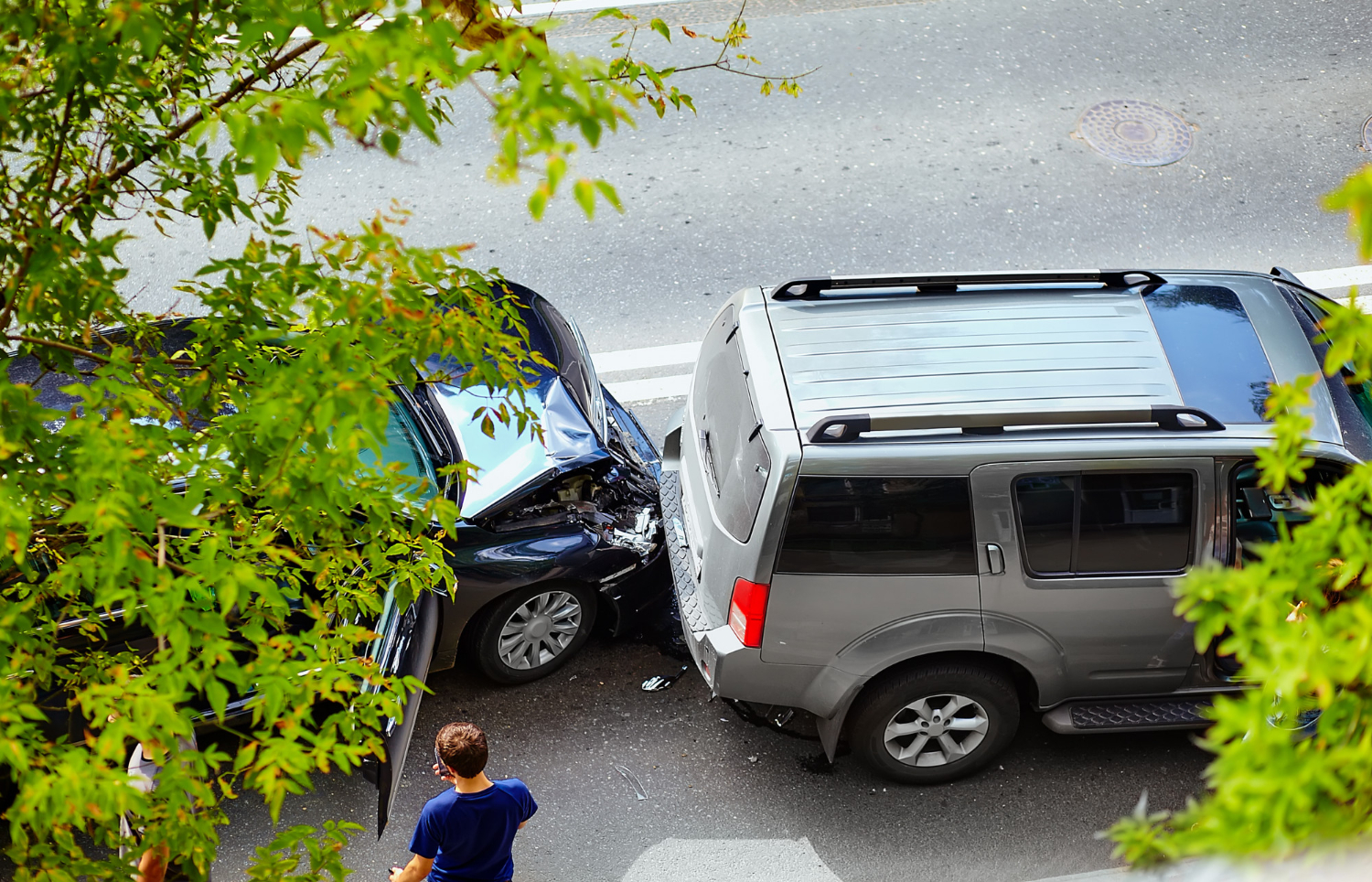
A collision can leave you shaken, hurt, and unsure what to do next. The steps you take in the first hour and first week can affect your health, insurance claim, and ability to recover compensation. This guide explains what to do after a crash in San Francisco and throughout the Bay Area, including Oakland, San Jose, Berkeley, and San Rafael.
1. Get to Safety and Call 911
Your first priority is preventing another injury. If your vehicle can be moved safely, pull out of traffic and turn on your hazard lights. If anyone appears injured, a vehicle is blocking traffic, there is a possible hit-and-run, or you suspect intoxication, call 911 immediately.
Do not leave the scene before exchanging legally required information or before law enforcement tells you it is appropriate to leave. A police report can provide useful documentation, but it is only one piece of the evidence. Make note of the responding agency, officer name, report number, and how to request a copy when it becomes available.
2. Get Medical Care, Even If You Feel Fine
Adrenaline can mask pain in the minutes and hours after a crash. Symptoms from concussions, soft-tissue injuries, back injuries, and internal injuries may not be obvious at the scene. If you have concerning symptoms, accept emergency care. Otherwise, arrange a medical evaluation as soon as possible and follow your provider’s recommendations.
Prompt care does more than create a medical record. It helps identify injuries early and creates a clearer connection between the collision and the treatment you need. Keep copies of visit summaries, prescriptions, referrals, work restrictions, bills, and receipts.
3. Document the Scene Thoroughly
If it is safe to do so, take wide and close-up photos or video of vehicle damage, license plates, the roadway, traffic signals, skid marks, debris, weather conditions, and visible injuries. Photograph the positions of the vehicles before they are moved when possible. Look for nearby businesses, homes, or transit vehicles that may have cameras, and write down where those cameras are located.
Ask witnesses for their names and contact information. Their observations can become important if the other driver later disputes what happened. Also write down your own recollection while it is fresh: the time, location, direction of travel, traffic conditions, and what you saw and heard.
4. Exchange Information Without Admitting Fault
Exchange your name, contact information, driver’s license details, registration information, license plate number, and insurance information with the other driver. Be courteous, but keep the discussion brief and factual. Do not apologize in a way that could be interpreted as accepting blame, speculate about what caused the collision, or agree to handle injuries privately at the roadside.
A simple statement such as, “Are you okay? Let’s exchange information and wait for help,” is enough. Fault is often more complicated than it first appears, especially at busy San Francisco intersections, on freeway ramps, or in crashes involving pedestrians, cyclists, rideshare vehicles, or multiple cars.
5. Understand How Fault Works in California
California generally uses a comparative-fault approach. That means more than one person may be assigned a share of responsibility, and any recovery may be reduced by the injured person’s percentage of fault. Insurance companies may use early statements, incomplete photographs, or gaps in medical treatment to argue that you were partly or entirely responsible.
For that reason, preserve evidence before it disappears. Do not repair or dispose of the vehicle until it has been properly documented. Save dashcam footage, screenshots of relevant messages, and all communications from insurers. A Car Accident Lawyer
can help evaluate evidence, identify available insurance coverage, and respond when liability is disputed.
6. Handle California DMV Reporting Requirements
In California, an SR-1 report generally must be submitted to the DMV within 10 days when a crash causes injury or death, or more than $1,000 in property damage to any person. This requirement applies regardless of who caused the collision, and filing a police report or notifying an insurance company does not replace the DMV report.
Do not assume a minor-looking collision falls below the threshold; modern vehicle repairs can exceed $1,000 quickly. Keep confirmation of your submission and speak with your insurer or attorney if you have questions about the process. Missing a required report can create serious licensing consequences.
7. What to Do in the First Week
Report the crash to your own insurer promptly, but stick to the facts. Review your policy for medical-payment, uninsured-motorist, and underinsured-motorist coverage that may apply. Continue recommended medical care, track missed work and out-of-pocket expenses, and maintain a pain-and-symptom journal that explains how the injuries affect daily activities.
It is also a good time to seek legal guidance. At Halavanau Law Office, clients in San Francisco, Oakland, San Jose, Berkeley, San Rafael, and surrounding communities can receive a case-specific review of the next steps. An attorney can work to preserve video, obtain reports, communicate with insurers, and calculate damages beyond the first medical bill.
8. Common Mistakes to Avoid With Insurance Adjusters
The other driver’s insurer may contact you quickly and sound helpful. Remember that the adjuster’s job is to evaluate the company’s financial exposure, not to advocate for you. Avoid giving a recorded statement or signing a medical authorization without understanding the request. Broad authorizations can give an insurer access to medical records that are unrelated to your injuries.
Do not accept a fast settlement before you know the full extent of your injuries, future care needs, lost income, and other losses. Once a release is signed, it can be difficult or impossible to pursue additional compensation. If you are unsure whether you need a lawyer after a car accident, a conversation with an experienced accident attorney can help you make an informed decision.
When to Contact a Personal Injury Attorney
You may benefit from legal help when injuries are significant, fault is disputed, multiple vehicles are involved, an insurer delays or denies a claim, or a crash involves a commercial driver, rideshare company, bicycle, or pedestrian. These matters can involve overlapping insurance policies and time-sensitive evidence.
Halavanau Law Office handles Personal Injury
claims with a focus on the practical details that matter after a serious crash: medical documentation, evidence preservation, insurance communications, and the full impact of the injury on your life.
FAQ
Do I need to call the police after a minor car accident in San Francisco?
Calling 911 is appropriate when someone is hurt, the roadway is unsafe, there may be a crime or hit-and-run, or emergency assistance is needed. Even if officers do not respond to a minor collision, you should still exchange information, document the scene, and determine whether an SR-1 report is required.
Should I give the other driver’s insurance company a recorded statement?
You are not required to rush into a recorded statement without understanding the questions or the potential consequences. Consider consulting counsel before providing one, particularly if you were injured or fault is unclear.
How long do I have to report a crash to the California DMV?
For a reportable collision involving injury, death, or more than $1,000 in property damage, the SR-1 is generally due within 10 days. This is separate from any police or insurance report.
What if I feel pain days after the accident?
Seek medical care promptly. Delayed symptoms can be real, and timely evaluation helps protect your health while creating documentation of the condition and recommended treatment.
Get a Free Case Review
After a car accident, you do not have to sort through medical appointments, evidence, and insurance pressure alone. Call or text Halavanau Law Office for a free case review and learn how an experienced San Francisco car accident lawyer can help you move forward.